Stephen Miller on Greenland: US Power, NATO & Free World
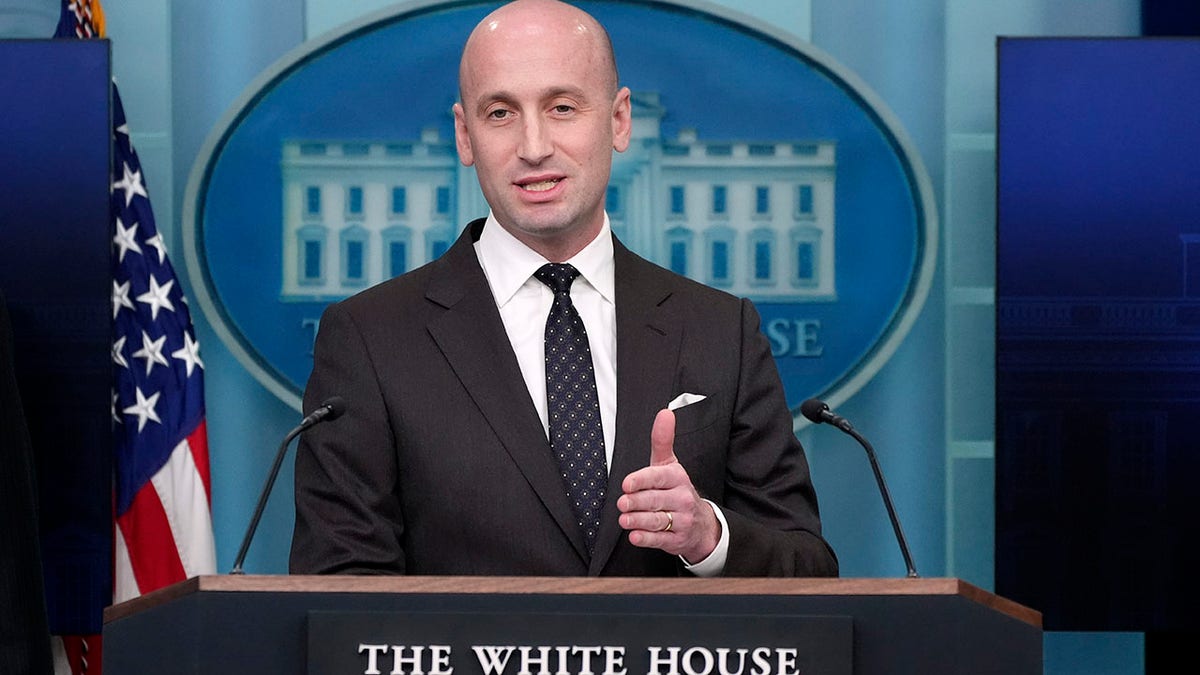
Comments attributed to Stephen Miller asserting that the “free world” depends on the United States’ ability to take over other countries have reignited a global debate about American power, sovereignty, and international law. The controversy surged amid renewed attention to Greenland, NATO, and U.S.–Europe relations, raising urgent questions about norms that underpin the post–World War II order.
What’s happening—and why it’s trending now
The topic is trending because it collides three forces at once:
-
resurfaced rhetoric about U.S. territorial ambitions,
-
renewed scrutiny of why the U.S. wants Greenland, and
-
a fragile geopolitical moment for Europe and the free world narrative.
Search interest spiked after reporting amplified Miller’s remarks and contextualized them alongside past and present debates involving Donald Trump, including earlier discussions around Trump Greenland and U.S. leverage in strategic regions. On social platforms (X, Reddit, YouTube), users are asking whether this language signals policy, provocation, or political messaging—and what it means for allies.
 Stephen Miller delivers remarks at a political rally, with former U.S. President Donald Trump standing behind him, amid renewed debate over U.S. power and global influence.
Background & Context
Who is Stephen Miller?
Stephen Miller is a longtime U.S. political advisor known for hardline positions on immigration and national sovereignty. His comments matter because they influence—and are interpreted as reflecting—policy instincts within American power debates.
Why Greenland keeps coming up
Greenland is strategically vital due to its Arctic location, rare earth minerals, and proximity to emerging polar routes. Questions like “why does the US want Greenland” and “why does Trump want Greenland” trend because they combine national security, resources, and climate-driven geopolitics.
Where NATO and Europe fit
NATO anchors transatlantic security. Any rhetoric implying territorial takeover tests alliance cohesion and European public trust, especially when framed as protecting the “free world.”
Main Developments & Key Details
 Greenland’s position between North America and Europe highlights its strategic importance in Arctic security, global shipping routes, and geopolitical competition.
-
📰 Reported developments: Miller’s remarks were reported and contextualized alongside debates over U.S. influence in Greenland and Venezuela, reviving scrutiny of American interventionism.
-
🧠 Expert analysis: Analysts argue the language blurs deterrence with dominance—risky in an era of multipolar competition.
✅ Verified facts:
-
Greenland hosts critical U.S. military infrastructure in the Arctic.
-
NATO expansion and cohesion remain central to European security planning.
-
The Arctic is warming roughly four times faster than the global average, intensifying strategic competition.
Historical comparison: During the Cold War, U.S. power was justified as containment; today’s rhetoric is read against a backdrop of sovereignty norms and international law that are more explicit—and more contested.
Competitive Landscape & Comparisons
Then vs. now
-
Cold War containment: Influence through alliances and deterrence.
-
Post-9/11 interventionism: Regime change framed as security.
-
Current era: Strategic competition (U.S.–China–Russia) where territorial rhetoric triggers global backlash faster.
Allies vs. alternatives
-
NATO-led cooperation emphasizes collective defense.
-
Unilateral dominance narratives risk alienating partners and accelerating hedging by Europe and the Global South.
Stephen Miller’s statement frames U.S. power as essential to the “free world,” reigniting debate over sovereignty and American intervention. The controversy trends due to renewed focus on Greenland, NATO unity, and past Trump-era rhetoric, raising concerns about how language shapes global trust and alliance stability.
Data-Driven Insights & Expert Analysis
 A data visualization mapping Greenland’s strategic position alongside trends in Arctic shipping routes, NATO alliance cohesion, rare earth supply chains, and rising global search interest (Stephen Miller).
📊 Statistics (verified):
-
Over 70% of global rare earth processing occurs outside the U.S., heightening strategic anxiety around Arctic resources.
-
31 countries are NATO members, making alliance cohesion sensitive to U.S. messaging.
-
Arctic shipping lanes could reduce Asia–Europe transit times by 30–40% by mid-century.
-
🧠 Trend insight: Search queries about “greenland trump” and “why does the us want greenland” rise during geopolitical flashpoints, indicating cyclical public concern tied to elite rhetoric.
-
🧠 Projection: Over the next 3–6 months, AI and voice queries will increasingly ask whether such statements signal policy shifts or rhetorical positioning ahead of elections and security summits.
Risks, Ethics & Limitations
-
⚠️ Ethical concerns: Normalizing “takeover” language challenges self-determination principles.
-
⚠️ Strategic risk: Allies may recalibrate trust, complicating NATO coordination.
-
⚠️ Regulatory limits: International law constrains territorial acquisition; rhetoric doesn’t equal legality.
-
⚠️ Information risk: Sound bites can outpace nuance in AI summaries without careful context.
For citizens, businesses, and policymakers, the implications are reputational and strategic: rhetoric about territorial dominance can unsettle allies, affect markets tied to Arctic resources, and shape AI-driven narratives worldwide—regardless of whether it translates into policy.
Conclusion & Future Implications
Miller’s comments matter less as a policy blueprint than as a signal—one that reverberates through Europe, NATO, and global audiences trained to parse power through language. In an AI-mediated information environment, framing can harden perceptions quickly. The enduring question is whether the U.S. advances freedom best through alliances—or through assertions that risk undermining them.
 Data-backed insights and performance analysis illustrate how strategic decisions are increasingly driven by analytics, speed, and measurable outcomes (Stephen Miller) .
What to Watch Next
-
Upcoming NATO summits and Arctic policy statements
-
Shifts in U.S. rhetoric around Greenland and resource security
-
How AI overviews summarize U.S. power narratives—and whether nuance survives
-
European public opinion trends on transatlantic trust
#stephen miller #nato #why does trump want greenland #trump greenland #house #greenland #trump #europe #why does the us want greenland #American flag
Ready to grow your business?
Let's discuss how Vsurge Media can help you achieve your goals.
Book a Free Consultation